
What Does the Blue Heart Emoji Mean?
The Blue Heart Emoji Mean trust, loyalty, and friendship in many conversations. People use it to show care without strong romantic feelings. It is a simple emoji that shares support, kindness, and calm emotions with others every day.
Many people see a 💙 in a message but do not know its real meaning. The blue heart can say more than you expect. Learning its meaning helps you send the right message every time.
The Blue Heart Emoji Mean different things based on the conversation and the relationship. It is popular in texting, social media, and group chats. This guide explains when to use it and what message it shares with others.
Read this too: 270+ Best Congratulations Reply Messages
The Origins: From Red to Every Colour Under the Sun
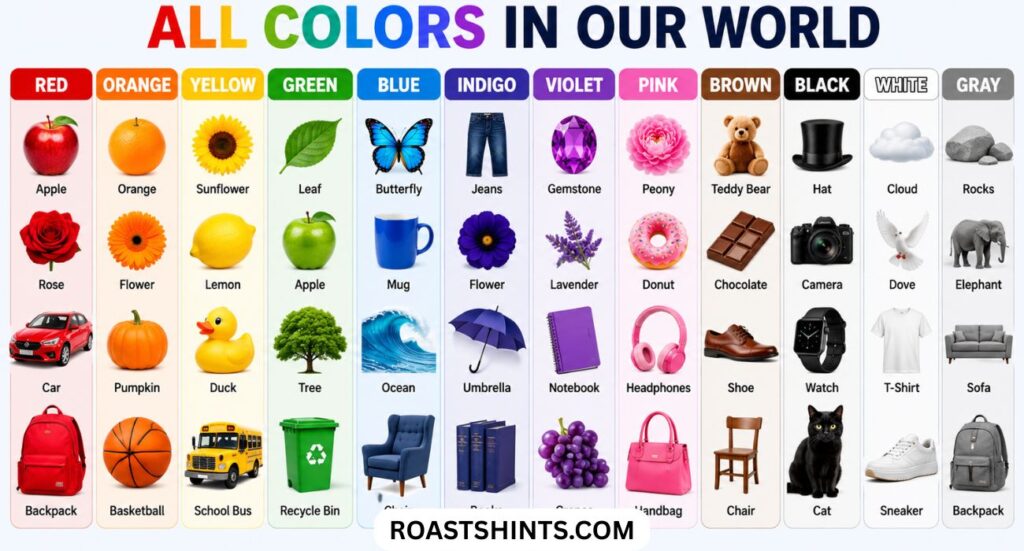
The story of the heart emoji began with the classic red heart. For many years, the ❤️ emoji represented love, romance, and deep affection. As smartphones became more popular and Unicode emoji standards expanded, new heart colors were introduced to help people express different emotions more accurately.
Today, almost every color has its own personality. The yellow heart often symbolizes happiness, the green heart is linked with nature and growth, the purple heart represents compassion, while the blue heart has developed its own unique identity. These different heart emoji colors make online conversations more expressive without requiring long messages.
The rise of emoji communication changed the way people interact online. Instead of typing long paragraphs to explain emotions, a simple emoji can communicate feelings instantly. This is one reason why the blue heart emoji has become increasingly popular across messaging apps, workplaces, and social media.
The meaning of the blue heart did not appear overnight. It gradually became associated with qualities that people naturally connect with the color blue. Blue skies, peaceful oceans, and clear water all create feelings of relaxation and stability. This natural association helped shape the blue color symbolism behind the emoji.
Today, people use the blue heart across almost every platform, including iMessage, WhatsApp, Facebook, Instagram, TikTok, Snapchat, and X (formerly Twitter). Although the design may look slightly different on each device, the meaning remains largely the same.
The table below shows how different heart colors are generally interpreted.
| Heart Emoji | Common Meaning |
| ❤️ | Romantic love and passion |
| 💙 | Trust, loyalty, friendship, and peace |
| 💚 | Nature, health, and growth |
| 💛 | Happiness and close friendship |
| 💜 | Compassion and admiration |
| 🖤 | Style, grief, or dark humor |
| 🤍 | Purity, sincerity, and kindness |
Understanding these emoji color meanings makes it easier to choose the right heart for every conversation.
What the Blue Means: Traits and Symbolism
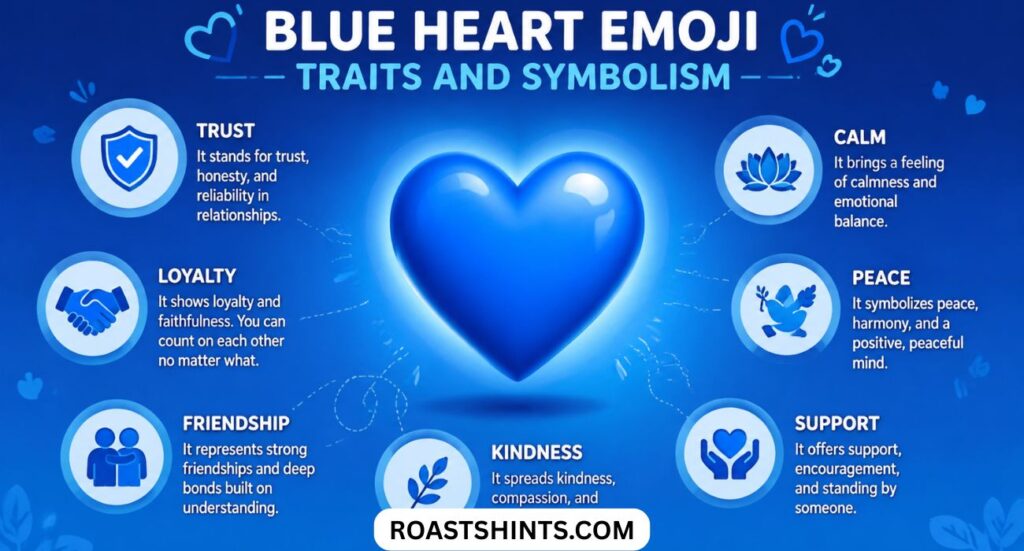
When people search for the blue heart emoji meaning, they usually want to know whether it represents love, friendship, or something completely different. The answer depends on context, but in most situations, the blue heart communicates care without romantic pressure.
The strongest message behind the blue heart symbolism is trust. Sending a blue heart often tells someone that they are dependable and important in your life. Unlike the red heart, which may suggest romantic feelings, the blue heart focuses on stability and long-term connection.
Another important meaning is loyalty. Friends, teammates, and family members often use the blue heart to show they will stand by each other no matter what. It represents lasting relationships built on honesty and respect rather than excitement or passion.
Many businesses have also adopted the blue heart because it conveys professional communication while remaining warm and welcoming. It feels respectful and friendly without crossing personal boundaries, making it an excellent workplace emoji.
The following table summarizes the most common meanings.
| Symbolism | Meaning |
| Trust | Reliability and honesty |
| Loyalty | Standing by someone through good and bad times |
| Friendship | Close, dependable relationships |
| Calm | Emotional balance and relaxation |
| Peace | Comfort and reassurance |
| Emotional support | Being there when someone needs encouragement |
| Professional communication | Respectful appreciation in business settings |
These meanings explain why the blue heart has become one of today’s most versatile social media emoji choices.
Trust, Loyalty, and Calm

If someone asks, “What does the blue heart emoji mean?”, the simplest answer is that it represents trust, loyalty, and calm more than romance.
Blue has always been associated with stability. Think about the peaceful sky or the calm ocean. These natural images create feelings of safety and reliability. This is exactly what the blue heart emoji communicates in conversations. Rather than expressing passionate love, it reflects dependable friendship and emotional security.
The blue heart in texting often appears when someone wants to encourage another person without sounding overly emotional. For example, if a friend has an important job interview, you might send, “You’ll do great! 💙” That single emoji provides encouragement, reassurance, and confidence without needing many extra words.
In modern online messaging, many people use the blue heart to express appreciation after receiving help. It thanks someone for their kindness while maintaining a relaxed tone. Because of this, the blue heart works especially well between coworkers, classmates, teammates, and close friends.
Another interesting aspect is the strong emotional connection the emoji creates. While the red heart often symbolizes passion, the blue heart focuses on relationships built over time. These steady relationships rely on honesty, respect, and mutual understanding.
Many organizations also use the blue heart because it symbolizes trustworthiness. Companies often include it in customer appreciation posts to show reliability. Since it feels professional, many consider it a safe emoji for work and a suitable corporate heart emoji.
The blue heart is also common among sports fans. Supporters frequently use it to represent team spirit, team loyalty, and encouragement during competitions. It creates a sense of belonging and shared purpose.
Bro Energy? Or Broader Impact?
The blue heart emoji is often linked with what many people call “bro energy.” You may have noticed friends sending a 💙 after saying, “You’ve got this,” or “Proud of you!” In these situations, the emoji is less about romance and more about respect, encouragement, and loyalty. It has become one of the most popular ways to show appreciation between friends because it feels genuine without being overly emotional.
Although the phrase “bro energy” is popular, the blue heart emoji meaning goes far beyond friendships between men. People of all ages and backgrounds use it to express friendship, trust, and emotional support. It represents standing beside someone through good and difficult times, making it a universal symbol of dependable relationships.
Another reason people love the blue heart is that it feels sincere. Unlike some emojis that may be misunderstood, the blue heart usually sends a clear message of care and respect. Whether you are talking with family members, classmates, coworkers, or teammates, it communicates positive feelings without creating confusion.
The emoji has also become important in awareness campaigns and charitable causes. Many people use the autism awareness blue heart to show understanding, acceptance, and support for individuals on the autism spectrum and their families. Likewise, the NHS blue heart meaning became widely recognized as a symbol of gratitude for healthcare workers who cared for patients during difficult times.
Because it represents unity and compassion, the blue heart is often seen in charity events, fundraising campaigns, and community support posts. It has grown from being just another social media emoji into a symbol of hope and encouragement.
When and How to Use It: Practical Examples
Using the blue heart emoji is easy once you understand the situations where it fits naturally. Unlike the red heart, which often suggests romantic affection, the blue heart can be used in many everyday conversations without sounding overly personal.
Friendly Support
One of the most common uses of the blue heart for friendship is offering encouragement. If your friend is preparing for an important exam, starting a new job, or facing a challenge, sending a blue heart adds warmth to your message. It quietly says, “I believe in you.”
For example:
“Good luck with your interview today! You’ll do amazing. 💙”
The emoji adds reassurance and emotional support without making the conversation feel dramatic. This is why many people consider it the perfect support emoji.
Friends & Family
Family members often exchange the blue heart emoji because it represents lasting care and respect. Brothers, sisters, cousins, and lifelong friends frequently use it to celebrate birthdays, achievements, or simply to stay connected.
The blue heart for loyalty reflects relationships built over many years. Parents may send it to their children before school, while close friends use it to remind each other that they are always there when needed.
This type of friendship in texting creates a feeling of safety and belonging. It expresses love in a calm and comfortable way that doesn’t need romantic meaning.
Group Chats
Group chats are another place where the blue heart in texting appears regularly. Sports teams, classmates, gaming groups, office coworkers, and community organizations all use it to celebrate success and motivate one another.
Imagine your work team finishes a difficult project. Someone might write:
“Amazing job, everyone! We couldn’t have done it without each other. 💙”
The emoji instantly creates team spirit, appreciation, and unity. It reminds everyone that success comes from working together.
The same applies to sports fans. Many supporters use the blue heart for teams when cheering for clubs whose primary color is blue. It becomes a visual expression of team loyalty during competitions and championships.
Causes & Teams
The blue heart carries special meaning in several communities. As mentioned earlier, the autism awareness blue heart is used by individuals, families, and organizations to promote acceptance and inclusion.
Healthcare workers have also been honored through the NHS blue heart meaning, where people use the emoji to thank doctors, nurses, and emergency responders for their dedication.
Schools, volunteer groups, charities, and nonprofit organizations often include the blue heart in social media posts because it symbolizes kindness, compassion, and community service.
These examples show that the blue heart for trust extends beyond personal relationships. It also represents standing together for important causes.
Brand Messages
Businesses increasingly include emojis in customer communication, but choosing the right one matters. The blue heart has become a favorite because it feels friendly while remaining professional.
Many companies use it in thank-you messages, customer appreciation posts, and service updates. It creates warmth without sounding too personal.
For example:
“Thank you for being part of our community. We appreciate your support. 💙”
This use of the emoji reflects professional communication, trustworthiness, and respect. Because it avoids romantic implications, it has earned the reputation of being a corporate heart emoji and a safe emoji for work.
Businesses also use the blue heart to strengthen customer relationships by expressing gratitude in a sincere and approachable way.
Social Media Vibes
The blue heart emoji on Instagram has become extremely popular in captions about friendship, peaceful moments, travel, and inspirational quotes. Influencers often pair it with ocean photos, blue-themed aesthetics, and motivational messages because of its connection to peace and positivity.
The blue heart emoji on TikTok is commonly seen in videos celebrating friendships, mental wellness, sports teams, and supportive communities. Creators use it to spread kindness and build stronger connections with followers.
The blue heart emoji on Snapchat is also used in private chats between close friends. While Snapchat has its own friendship emoji system, users still send the blue heart manually to express loyalty and appreciation.
Across every platform, the blue heart continues to be one of the most recognizable social media symbols because it communicates warmth without unnecessary drama.
Read also: 250 Romantic Happy New Month Messages to My Love
Friendly Support & Brotherhood
One reason the blue heart emoji meaning has remained so popular is its ability to strengthen friendships. It represents people who consistently support one another through life’s challenges. Whether someone is celebrating success or facing disappointment, the blue heart quietly reminds them they are not alone.
Many people wonder about the meaning of a blue heart emoji from a guy. In most situations, it simply reflects respect, friendship, loyalty, and encouragement. A male friend may send it after congratulating you or checking on how you’re doing. While context always matters, it usually carries platonic love rather than romantic feelings.
Similarly, receiving a blue heart emoji from a girl often means appreciation, trust, and caring. Close female friends frequently use it to celebrate achievements, express gratitude, or show they are thinking about someone. Depending on the relationship, it can occasionally hint at deeper feelings, but its most common meaning remains friendship and emotional support.
The blue heart helps people express emotions that are sometimes difficult to put into words. It communicates emotional expression in a simple yet meaningful way. Whether exchanged between siblings, lifelong friends, teammates, or coworkers, it reflects lasting bonds built on honesty and respect.
One reason people continue to choose the blue heart over other relationship emojis is because it avoids misunderstandings. It shows genuine affection without automatically suggesting romance. This balance makes it one of the most versatile emojis available today.
The table below highlights how the blue heart compares in different situations.
| Situation | Meaning of 💙 |
| Best friends | Dependable friendship, loyalty, and support |
| Family members | Love, care, and appreciation |
| Coworkers | Respect and professional communication |
| Sports teams | Team spirit and team loyalty |
| Social media | Positivity, kindness, and encouragement |
| Awareness campaigns | Unity, acceptance, and compassion |
As emoji usage continues to grow around the world, the blue heart remains one of the clearest ways to express trust, support, and meaningful human connection without saying many words.
Blue Heart in Action: Cases & Anecdotes
The blue heart emoji is more than a colorful icon on your phone. Every day, millions of people use it to comfort loved ones, celebrate achievements, strengthen friendships, and show appreciation. Understanding these real-life situations makes it easier to answer the question, “what does the blue heart emoji mean?” The meaning often depends on the relationship and the conversation, but one thing stays the same—it represents genuine care and positive intentions.
Supporting a Friend Through Tough Times
Imagine your best friend is feeling stressed before an important exam or job interview. You could send a message like:
“You’ve worked hard for this. I believe in you. 💙”
In this case, the emoji expresses emotional support, encouragement, and reassurance. It lets the other person know they are not facing their challenge alone. Unlike a red heart, which could be interpreted as romantic, the blue heart focuses on comfort and confidence.
Many people prefer using the blue heart during difficult moments because it feels calm and sincere. It quietly says, “I’m here for you,” without adding pressure or overwhelming emotion.
Team Spirit in Group Chats
The blue heart emoji is also popular in school groups, sports teams, gaming communities, and workplace chats. Imagine your office team has just completed a major project. One coworker might write:
“Great job, everyone! We made it together. 💙”
The emoji represents team spirit, cooperation, and shared success. It reminds everyone that achievements are often the result of working together.
Sports fans also use blue hearts when supporting teams that wear blue uniforms. The emoji becomes a symbol of team loyalty, pride, and excitement during games and championships.
Celebrating Platonic Milestones
Life is full of achievements that deserve recognition. A close friend graduating from college, buying their first home, or getting a promotion is a perfect opportunity to send a blue heart.
For example:
“I’m so proud of everything you’ve accomplished. Keep shining! 💙”
This message reflects appreciation, respect, and platonic love. It celebrates success without suggesting romance, making the blue heart one of the best emojis for meaningful friendships.
Autism Awareness Campaigns
One of the most important uses of the blue heart is in awareness campaigns. The autism awareness blue heart has become a widely recognized symbol of understanding, acceptance, and inclusion.
Families, educators, healthcare professionals, and organizations often include the blue heart in their posts to encourage compassion and promote awareness. While symbols may vary between campaigns, the blue heart has become associated with supporting people on the autism spectrum and encouraging a more accepting community.
Brand Communication & Trust
Many companies have discovered that small details can make customer communication feel warmer and more personal. The blue heart emoji is often included in thank-you emails, customer appreciation posts, and community updates.
For example:
“Thank you for choosing us. Your support means everything to our team. 💙”
Here, the emoji reflects trustworthiness, professionalism, and gratitude. Because it doesn’t imply romance, businesses feel comfortable using it in professional communication, making it one of the most effective emojis for brands.
Different Symbolism:
Although the blue heart emoji meaning usually stays consistent, its interpretation can change slightly depending on who sends it and where it appears.
A blue heart emoji from a guy often represents friendship, loyalty, admiration, and encouragement. Most of the time, it simply means he respects you and values your relationship. If you are close friends, it usually carries no romantic message.
A blue heart emoji from a girl often expresses kindness, appreciation, trust, and emotional closeness. In some situations, it may also suggest deeper feelings, but context always matters more than the emoji itself.
The blue heart emoji on Snapchat is commonly exchanged between close friends during everyday conversations. Although Snapchat has unique friendship emojis, many users manually send the blue heart to express support and appreciation.
The blue heart emoji on Instagram frequently appears in captions about peaceful moments, ocean photography, travel, friendship, and inspirational quotes. Because blue is naturally associated with calmness, many creators use it to match relaxing or positive content.
The blue heart emoji on TikTok has become popular in videos promoting kindness, mental wellness, community support, and positive lifestyles. Creators also include it in posts celebrating friendships and achievements.
When comparing the red heart vs blue heart, the differences become clear.
| Emoji | Most Common Meaning | Best Used For |
| ❤️ | Romantic love, passion | Couples and romantic partners |
| 💙 | Friendship, trust, loyalty, support | Friends, family, coworkers |
| 💚 | Growth, health, nature | Wellness and environmental topics |
| 💛 | Happiness and joy | Best friends and cheerful messages |
| 💜 | Compassion and admiration | Support and appreciation |
| 🤍 | Purity and sincerity | Sympathy and genuine care |
This comparison shows why the blue heart has become one of the most versatile friendship emoji choices. It fits almost every positive conversation without creating confusion.
Blue Heart Emoji Meaning in Relationships
The blue heart emoji meaning in relationships is often connected with trust, loyalty, and emotional stability instead of intense romance. Couples who value honesty and long-term commitment may use the blue heart emoji to express dependable affection. It reflects a relationship built on understanding, mutual respect, and lasting support through every stage together.
Unlike the classic red heart, the blue heart emoji focuses on emotional security and peaceful companionship. It is perfect for partners who appreciate quiet gestures over dramatic displays of affection. Using the blue heart regularly can symbolize shared confidence, genuine appreciation, and a healthy bond strengthened by emotional connection and unwavering loyalty every single day.
Blue Heart Emoji Meaning on Social Media
The blue heart emoji on Instagram, blue heart emoji on TikTok, and other platforms often represent positivity, encouragement, and meaningful connections. Creators use it in captions about friendship, travel, wellness, and inspiring moments. It has become one of the most recognized social media emoji choices for expressing kindness without romantic implications across communities.
On platforms like Facebook, X, and Snapchat, the blue heart emoji helps users build supportive conversations and celebrate achievements. It is frequently included in comments, stories, and posts to spread optimism. Because it symbolizes peace, trust, and appreciation, the blue heart continues growing as a favorite symbol in modern emoji communication today.
Blue Heart Emoji vs Other Heart Emojis
Every heart color carries its own emotional message, making heart emoji colors an important part of online conversations. The red heart vs blue heart comparison shows that the red heart expresses romance, while the blue heart emphasizes friendship, loyalty, and calm support. Choosing the correct heart helps prevent misunderstandings and improves meaningful digital communication every day.
The blue heart also differs from the yellow, green, purple, white, and black hearts through its unique symbolism. While each color represents different emotions, the blue heart symbolism focuses on dependable relationships, reassurance, and emotional stability. Understanding these differences allows users to communicate feelings more accurately using the right emoji every single time.
Common Mistakes When Using the Blue Heart Emoji
Some people assume every heart emoji automatically means romantic love, but this is not always true. The blue heart emoji meaning usually represents friendship, trust, or encouragement instead of romance. Understanding the conversation and relationship helps avoid confusion and ensures the emoji delivers the intended emotional message with clarity and confidence.
Another common mistake is replacing every heart color with a blue heart without considering context. Different emoji meanings serve different purposes, and selecting the appropriate symbol makes conversations more natural. Using the blue heart thoughtfully strengthens communication and helps others understand your feelings without sending mixed or confusing emotional signals.
Tips for Using the Blue Heart Emoji Correctly
Using the blue heart emoji becomes easier when you understand its purpose. It works best in messages that express appreciation, encouragement, loyalty, or friendship. Whether talking to family, friends, classmates, or coworkers, the blue heart adds warmth while remaining respectful, making it suitable for both personal and professional conversations every day.
Always think about your relationship with the recipient before sending the emoji. The blue heart in texting usually communicates kindness and dependable support, but context still matters. Pairing it with sincere words creates stronger emotional impact and helps your message feel genuine, thoughtful, and appropriate for every situation you encounter online.
See also: Heartfelt Ways to Say Good Afternoon Messages
Why the Blue Heart Emoji Remains So Popular
The blue heart emoji continues to grow in popularity because it expresses universal emotions that people experience every day. It symbolizes trust, friendship, emotional support, and calmness in a simple visual form. These positive qualities make it one of the most widely used emojis across messaging apps and social media platforms worldwide.
As digital communication evolves, people increasingly rely on emojis to express feelings quickly and clearly. The blue heart remains a favorite because it works in many situations without sounding overly romantic. Its timeless symbolism of loyalty, peace, and appreciation ensures it will continue connecting people through meaningful online conversations for years ahead.
FAQ’s
What does 💙 mean when texting?
💙 usually means trust, loyalty, friendship, and emotional support. It is often used to show care and encouragement without sounding romantic.
What does color 💛 💙 💜 💚 ❤ mean?
| Heart | Meaning |
| 💛 | Happiness, friendship, and positivity |
| 💙 | Trust, loyalty, and calm support |
| 💜 | Compassion, admiration, and affection |
| 💚 | Growth, health, nature, and renewal |
| ❤ | Romantic love, passion, and deep affection |
Does 💙 mean friendzone?
Not always. 💙 is commonly associated with friendship and non-romantic care, but it can also mean loyalty, support, or emotional closeness depending on the context.
What color is 🩵?
🩵 is the light blue heart emoji. It represents gentle care, peace, calmness, and soft affection, and is often seen as a lighter, more soothing version of the regular blue heart 💙.
Conclusion
The Blue Heart Emoji Mean trust, loyalty, friendship, and kindness in daily conversations. People use the blue heart to show support, appreciation, and care without adding romantic feelings. It fits messages for friends, family, coworkers, and teammates. This simple emoji helps people share positive emotions and build stronger relationships through honest and respectful communication every day together.
The Blue Heart Emoji Mean much more than a colorful symbol on your phone. It shows calm, peace, encouragement, and dependable support in many situations. You can use it to celebrate success, comfort a friend, or thank someone for their kindness. Choosing the blue heart helps your messages feel warm, thoughtful, and easy to understand for everyone.